|
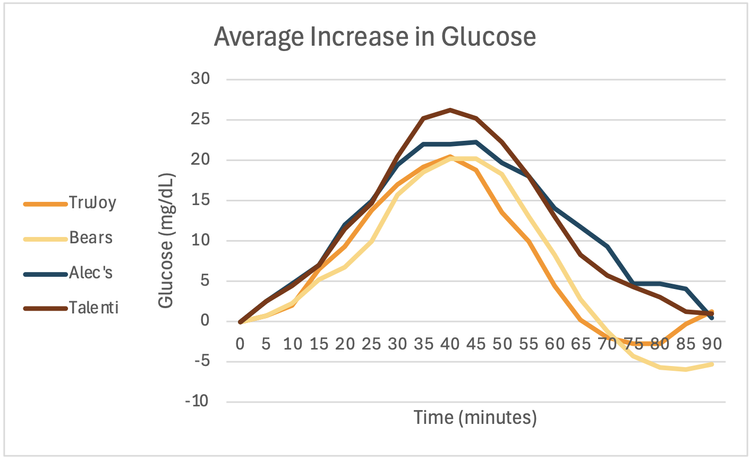
It’s interesting that the slope of each curve is approximately the same for each ice cream, suggesting that the sugar is metabolized at the same rate. Blood sugar peaks at approximately 55 minutes for the full serving vs. 40 minutes for the 170-calorie serving eaten during the first half of the experiment. Not surprisingly, the peak of the spike is higher when you eat more and my blood sugar remained elevated for longer. A standard size of TruJoy compared to a standard serving size of the rest is just over half the calories but has a similar volume – giving you just as much to savor. A combination of the reduction in calories, higher protein and lower sugar content of TruJoy compared to the rest of the ice creams tested makes TruJoy truly stand out amongst the rest. Summary When compared to other ice creams, TruJoy Yogurt has a smaller impact on blood sugar levels, even when all of the ice creams are normalized to a serving of TruJoy. If you are trying to monitor your blood sugar but also want to satisfy your sweet tooth, TruJoy is comparatively a much healthier choice! Taste is the most important thing to consider when you are choosing how to treat yourself. If you’ve enjoyed TruJoy Yogurt before, you’d probably agree that the eating a scoop of TruJoy is comparable to even the most indulgent of ice creams. Obligatory Disclosure: This study was conducted by a recovering geologist. I am by no means a health expert, and this should in not be taken as medical advice. This is simply a summary of how different frozen desserts effect my metabolism. I do hope that it encourages you to think about how different foods effect your health so that you can make healthier decisions for yourself.
|